


All models, one global interface.
Discover, compare, and deploy any leading STT, TTS, and LLMs, with real-time performance and multi-region execution.

Context/problem
The voice ecosystem is fragmented.
Developers move between providers, compare quality and latency, and maintain integrations that break under scale. Routing changes, model formats differ, and nothing works the same across regions. The Voice AI Catalog brings everything together in one searchable, deployable layer — every model, any provider, any language, ready to run across regions.

Capabilities
Unified model access
A unified interface to explore, test, and deploy speech and language models with consistent APIs, predictable performance, and multi-region execution.

Speech to Text
Convert audio into text via the /stt endpoint using Whisper V3 and other open-source or proprietary engines. Structured output, multi-language support, and a consistent schema across regions.

Text to Speech
Generate high-quality audio via the /tts endpoints using models like Orpheus, XTTS-v2, Kokoro, and VUI. Select voices, clone profiles, and return audio as streaming output or base64. All through a unified schema.

Language Models
Run LLMs through a simple API integrated with the speech stack. Select models, handle reasoning, and let smart routing optimize cost, latency, and regional execution.

Global compute
Run models from the region closest to your users. Requests are routed automatically to meet latency, cost, and residency requirements across providers.

Compliance-aware routing
Enforce data residency and regional restrictions directly from your settings. Only approved zones and providers are used when running inference.
One unified experience
Work with every model through a single, normalized API schema. Open-source or proprietary, all models respond the same way.
Speech to Text
Convert audio into text via the /stt endpoint using Whisper V3 and other open-source or proprietary engines. Structured output, multi-language support, and a consistent schema across regions.
Text to Speech
Generate high-quality audio via the /tts endpoints using models like Orpheus, XTTS-v2, Kokoro, and VUI. Select voices, clone profiles, and return audio as streaming output or base64. All through a unified schema.
Language Models
Run LLMs through a simple API integrated with the speech stack. Select models, handle reasoning, and let smart routing optimize cost, latency, and regional execution.
Global compute
Run models from the region closest to your users. Requests are routed automatically to meet latency, cost, and residency requirements across providers.
Compliance-aware routing
Enforce data residency and regional restrictions directly from your settings. Only approved zones and providers are used when running inference.
One unified experience
Work with every model through a single, normalized API schema. Open-source or proprietary, all models respond the same way.
Speech to Text
Convert audio into text via the /stt endpoint using Whisper V3 and other open-source or proprietary engines. Structured output, multi-language support, and a consistent schema across regions.
Text to Speech
Generate high-quality audio via the /tts endpoints using models like Orpheus, XTTS-v2, Kokoro, and VUI. Select voices, clone profiles, and return audio as streaming output or base64. All through a unified schema.
Language Models
Run LLMs through a simple API integrated with the speech stack. Select models, handle reasoning, and let smart routing optimize cost, latency, and regional execution.
Global compute
Run models from the region closest to your users. Requests are routed automatically to meet latency, cost, and residency requirements across providers.
Compliance-aware routing
Enforce data residency and regional restrictions directly from your settings. Only approved zones and providers are used when running inference.
One unified experience
Work with every model through a single, normalized API schema. Open-source or proprietary, all models respond the same way.

How it works
Discover. Test. Deploy.
A unified workflow to discover, test, and deploy speech and language models with consistent APIs and real-time, multi-region execution.
Discover
Browse open-source and proprietary models by use case, region, provider, or language. All normalized under one API.
Test
Send sample inputs, compare quality and latency, and review structured outputs with the same schema across every model.
Deploy
Call /stt, /tts, or LLM endpoints directly, with routing that selects the best region and provider for cost, performance, and compliance.
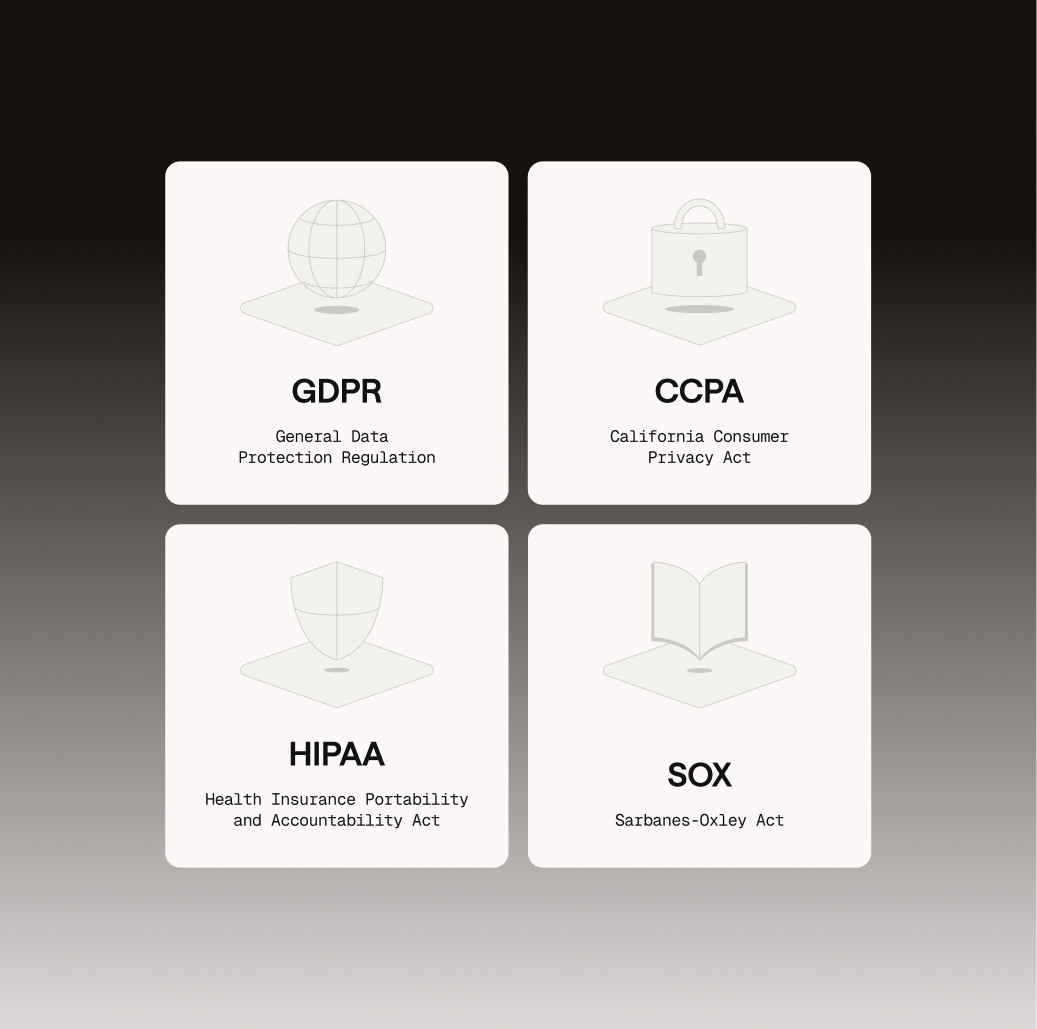
Compliance by design
/SLNG/
Region-locked execution
Run inference only in approved regions –EU, US, Germany, or sovereign zones– with explicit residency controls on every request.
Built-in compliance modes
Up-to-date guidance by region and industry, so every deployment starts compliant by design and avoids cross-border issues.
Secure API surface
Encrypted traffic, IP allow-lists, access controls, and isolated routing to protect voice data across providers and regions.
Provider transparency
See exactly where each workload runs. SLNG exposes region, provider, and routing decisions for full operational visibility.




Stay in the loop


Unmuted.

©2026 SLNG